



Multiplikator:innen Fortbildung / Internationaler Austausch - What should our digital future look like?
Start: 17. November 2025
Ende: 23. November 2025
Bildungsstätte Alte Schule Anspach, Neu-Anspach
Zielgruppe: Multiplikator:innen, internationale Freiwillige, ab 18+
Sprachen: English / German
English Version, please see below.
Wie bestimmt „Big Data“ unser Leben, unsere Identität und unsere Gesellschaft? – Das Seminar lädt ein zu einer aktiven Auseinandersetzung mit den Chancen und Risiken der digitalen Welt.
Smartphones und Laptops sind längst ständige Begleiter unseres Alltags. Mit dem Internet der Dinge – Sprachassistent:innen wie Alexa, Smartwatches, smarte Ringe oder High-Tech-Brillen wie Google Glasses – kommen immer mehr Technologien hinzu, die unser Leben und Arbeiten noch stärker verändern.
Die digitale Welt bietet unzählige Möglichkeiten, aber auch neue Herausforderungen:
- Wie beeinflussen Algorithmen unsere Identität?
- Wie behalten wir die Kontrolle über unsere Mediennutzung und unsere Daten in dieser digitalisierten Welt?
- Wie wirkt sich die massenhafte Datensammlung auf unseren Alltag aus?
- Und warum kann Künstliche Intelligenz diskriminieren?
In diesem sechstägigen Seminar setzen wir uns kritisch mit der Digitalisierung auseinander. Gemeinsam tauchen wir in die Welt der Künstlichen Intelligenz (KI) ein und arbeiten mit einem interaktiven, praxisnahen Ansatz. Digitalisierung und all ihre Facetten – von algorithmischen Entscheidungen über Smart Cities bis hin zu digitalisierten Arbeitsformen – werden greifbar und verständlich gemacht.
Darüber hinaus betrachten wir die Rolle digitaler Plattformen und Medien, untersuchen die Auswirkungen sozialer Medien auf unseren Alltag und diskutieren die Herausforderungen von Fake News und Hass im Netz. Gemeinsam diskutieren, experimentieren und entwickeln wir kreative Lösungen für eine digitale Zukunft, die Vielfalt und Gerechtigkeit fördert.
Themenbereiche
- Soziale Medien
Wie verändern soziale Medien die Kommunikationskultur in unseren Gesellschaften? Wir beleuchten Phänomene wie Fake News, Hate Speech und den politischen Einfluss sozialer Medien.
- Digitale Identität
Wir untersuchen die digitalen Spuren, die wir im Internet hinterlassen, und wie sie unsere digitale Identität formen.
- Big Data und algorithmische Diskriminierung
Welche Chancen und Herausforderungen ergeben sich aus der massenhaften Datensammlung? Und welche Folgen hat es, wenn die Algorithmen zur Datenanalyse selbst Vorurteile haben?
- Künstliche Intelligenz (KI)
In diesem Themenfeld besuchen wir eine Ausstellung im Museum für Kommunikation in Frankfurt und reflektieren über Vor- und Nachteile, die KI für unser Leben mit sich bringt.
- Smart Cities, Internet der Dinge und Digitalisierung der Arbeit
Die Digitalisierung wirkt sich direkt auf unseren Alltag aus. Wir erkunden die digitale Gegenwart und diskutieren mögliche Zukünfte – sowohl die, die uns Sorgen bereiten, als auch die, auf die wir hoffen.
- Digitalisierung, E-Partizipation und Demokratie
Wir fragen, ob unsere digitale Zukunft demokratischer sein wird oder ob die Digitalisierung autoritäre Tendenzen verstärkt.
Bildungsziele
- Kritische Auseinandersetzung mit den Auswirkungen der Digitalisierung auf unsere Gesellschaft
- Reflexion der eigenen Mediennutzung, digitalen Identität und des Umgangs mit persönlichen Daten
- Nachdenken über Handlungsmöglichkeiten für eine gerechte und vielfältige digitale Zukunft, die soziale Teilhabe fördert
- Erkennen von Chancen für digitale Selbstbestimmung
- Stärkung von Jugendorganisationen und Qualitätsentwicklung in der lokalen Jugendarbeit
Methoden
basa e.V. steht für innovative und inklusive Methoden, die wir in einem selbstkritischen Prozess ständig weiterentwickeln. Gamification, spielbasiertes Lernen und Lebensweltorientierung sind zentrale Konzepte. Wir nutzen spielerische Ansätze, um komplexe Themen zugänglich und zugleich spannend zu gestalten. Unsere Arbeit ist stets prozess- und teilnehmendenorientiert.
Das Seminar kombiniert theoretischen Input, interaktive Formate und praxisnahe Übungen: Inputs, Rechercheübungen, Quiz, Actionbound, Canvas City, Diskussionen, Brainstorming, Kleingruppenarbeit, assoziative Methoden und World Café.
Die Referent:innen
Dr. Anna Maria Krämer und Paul Schierle sind hauptberufliche politische Bildungsreferent*innen bei basa e.V. Ihre Arbeitsschwerpunkte liegen in diversitätssensibler und antidiskriminierender Bildung, kritischer historischer Bildung, Klimagerechtigkeit und Digitalisierung.
Über die Organisation
Die Bildungsstätte Alte Schule Anspach, basa e.V. in Neu-Anspach, bietet seit 1984 regionale und bundesweite Programme in der politischen Jugendbildung, Jugendberufshilfe und Jugendberatung an. Unsere Arbeit folgt emanzipatorischen Prinzipien und setzt sich für Demokratie und Selbstbestimmung ein. In der politischen Bildung legen wir den Fokus auf Diversität, Empowerment, kritische historische Bildung und Digitalisierung.
Kooperation
Dies ist eine Kooperation mit ICJA Freiwilligen Austausch weltweit e.V.
Safer Space
Dies soll ein sicherer Raum sein – kein Platz für Gewalt oder Diskriminierung. Vielfalt gewinnt, und alle sind willkommen. Alle, d.h. insbesondere FLINTA*, PoC, beHinderte Menschen und andere Menschen, denen von der Gesellschaft Hürden gesetzt werden sollen sich besonders eingeladen fühlen. Lasst uns die Welt zu einer Bühne für alle machen! Die Räumlichkeiten sind barrierearm. Schreibt uns bitte, wenn ihr wir weitere Hürden für euch abbauen können.
English Version
Training on methodologies and peace education on civic work for youth workers, educators and youth leaders
How does ‘big data’ determine our lives, our identity and our society? – an active exploration of the opportunities and risks of the digital world.
Smartphones and laptops have long since become constant companions in our everyday lives. With the Internet of Things – voice assistants like Alexa, smartwatches, smart rings or even high-tech glasses like Google Glass – more and more technologies are being added, changing our lives and work even more than before.
The digital world offers countless opportunities but also new challenges:
- How do algorithms influence our identity?
- How do we retain control over our media usage and data in this digitalised world?
- How does the mass collection of data influence our daily life?
- And why can artificial intelligence discriminate?
In this 6-day seminar, we take a critical look at digitalisation. Together, we will immerse ourselves into the world of artificial intelligence (AI) and focus on an interactive and practical approach with our augmented reality game Canvas City. Digitalisation and all its facets – from algorithmic decision-making to smart cities and digitalised forms of work – will be made tangible and understandable.
We will then take an in-depth look at the role of digital platforms and media, examine the impact of social media on our everyday lives and discuss the challenges posed by fake news and hate online. Together, we will discuss, experiment and develop creative solutions for a digital future that promotes diversity and justice.
Topics covered
- Social Media
How does social media change the culture of communication in our societies? Within this topic, we explore online phenomena such as fake news, hate speech, and the political influence of social media. - Digital Identity
We examine the digital traces we leave behind on the internet and how they shape our digital identity. - Big Data and Algorithmic Discrimination
What opportunities and challenges arise for our societies from the mass collection of data? And what are the consequences when the algorithms analyzing this data are biased? - Artificial Intelligence (AI)
As part of this topic, we will visit an exhibition at the Museum of Communication in Frankfurt and reflect on the advantages and disadvantages that AI can bring to our lives. - Smart Cities, Internet of Things, and the Digitalization of Work
Digitalization has a direct impact on our daily lives. Let’s explore the digital present and discuss the possible futures — both the ones we fear and the ones we hope for. - Digitalization, E-Participation, and Democracy
We will also ask whether our digital future will be more democratic or whether digitalization is reinforcing authoritarian tendencies.
Educational goals
- Critical examination of the effects of digitalisation on our society
- Reflection on personal media use, digital identity and handling of personal data
- Reflection on possible courses of action for a fair and diverse digital future that promotes social participation
- Identifying opportunities for digital self-determination
- Capacity building of youth organisations and quality development of local youth work
Methods
In general, basa e.V. stands for innovative and inclusive methods that we are constantly developing and refining in a self-critical process. Gamification, game-based learning and lifeworld-orientation are part of our guiding concepts. We use playful approaches to make complex topics accessible and fun at the same time. Our work is always process- and participant-oriented. The seminar uses a combination of theoretical input, interactive formats and practice-oriented exercises: input, research exercises, quizzes, actionbound, canvas city, discussions, brainstorming, small group work, associative methods, and world café.
About the trainers
Dr. Anna Maria Krämer and Paul Schierle are both full-time political education officers at basa e. V. Their work focuses on the areas of diversity-sensitive and anti-discrimination education, critical historical education, climate justice and digitalisation.
About the organisation
The Bildungsstätte Alte Schule Anspach, basa e.V. in Neu-Anspach, has been offering regional and nationwide programs in the field of political youth education, youth vocational assistance and youth counselling since 1984. We are guided by emancipatory principles and advocate democracy and self-determination in our work. In political education, we focus on diversity, empowerment, critical historical education and digitalisation.
Cooperation
This ist a cooperative seminar with ICJA Freiwilligen Austausch weltweit e.V.
Safer Space
This is a safer space – no room for violence or discrimination. Diversity wins, and everyone is welcome.
FLINTA-persons? Join us. Let's make the world a stage for everyone!
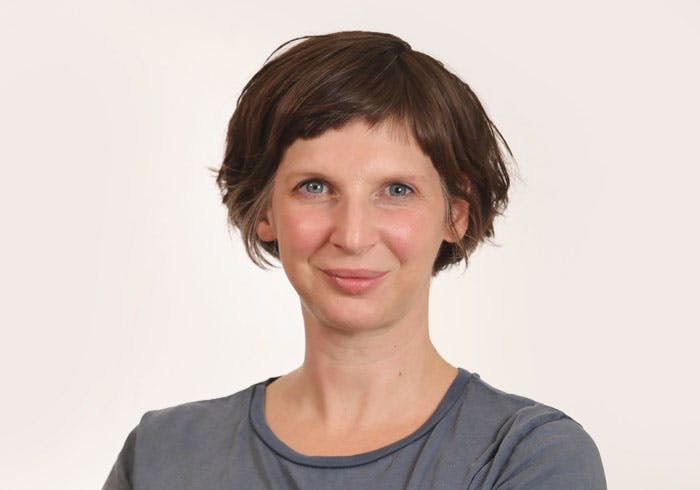
Dr. Anna Maria Krämer (sie/ihr)
Referentin für politische Bildung
Fokus: Klimagerechtigkeit, Diversität, kritische historische Bildung und Digitalisierung
Tel. 06081 912 73 23
Fax 06081 912 73 29
anna.kraemer@basa.de
